Why Some Washington Quarters Are Worth a Fortune
Most quarters in your change jar are worth exactly 25 cents. But the Washington quarter series, struck since 1932, has a handful of dates, mint marks, and mint mistakes that sell for thousands at auction. Low mintage years from the Depression, silver content that lasted through 1964, and a string of doubled-die and overmintmark errors give this series more hidden value than people expect.
The list below pulls together verified auction results and dealer sale records so you can see exactly what these coins have actually sold for, not just guessed at. Search it, filter it by type, and click any row for identification tips before you decide whether that quarter in your drawer is worth a second look.
The Top 100 Most Valuable Washington Quarters
| Rank | Quarter | Finish | Sale Price |
|---|
I Think I Have One — Now What?
-
Stop cleaning, stop handling the face and back
Cleaning or polishing a silver quarter destroys the original surface and can cut its value by half or more. Hold it by the edges and set it in a soft coin flip or envelope until you know what you have.
-
Verify it for free before spending a dime on grading
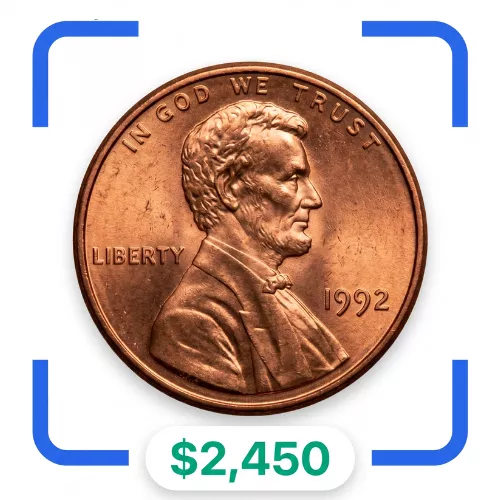
Snap a clear photo of both sides and run it through a free online coin identifier and value checker to confirm the date, mint mark, and rough value range before you pay anyone.
-
Submit real candidates to PCGS or NGC
If the coin matches a key date, error, or proof on this list, professional grading from PCGS or NGC authenticates it and typically pays for itself in resale value on anything worth more than $150-200.
-
Pick the right place to sell
Common silver dates do fine on eBay or at a local coin shop. Anything graded and worth several hundred dollars sells better through GreatCollections, and coins worth thousands belong at Heritage Auctions or Stack's Bowers where serious collectors are bidding.
-
Watch for fakes and altered mint marks
The 1932-D and 1932-S are the most counterfeited Washington quarters, along with added or altered mint marks meant to fake a 1950-D/S or 1953-D/S overmintmark. Never buy an unslabbed key date without a return policy or a dealer's guarantee.
Collector's Guide to Washington Quarter Values
1. Key Dates and Low Mintages
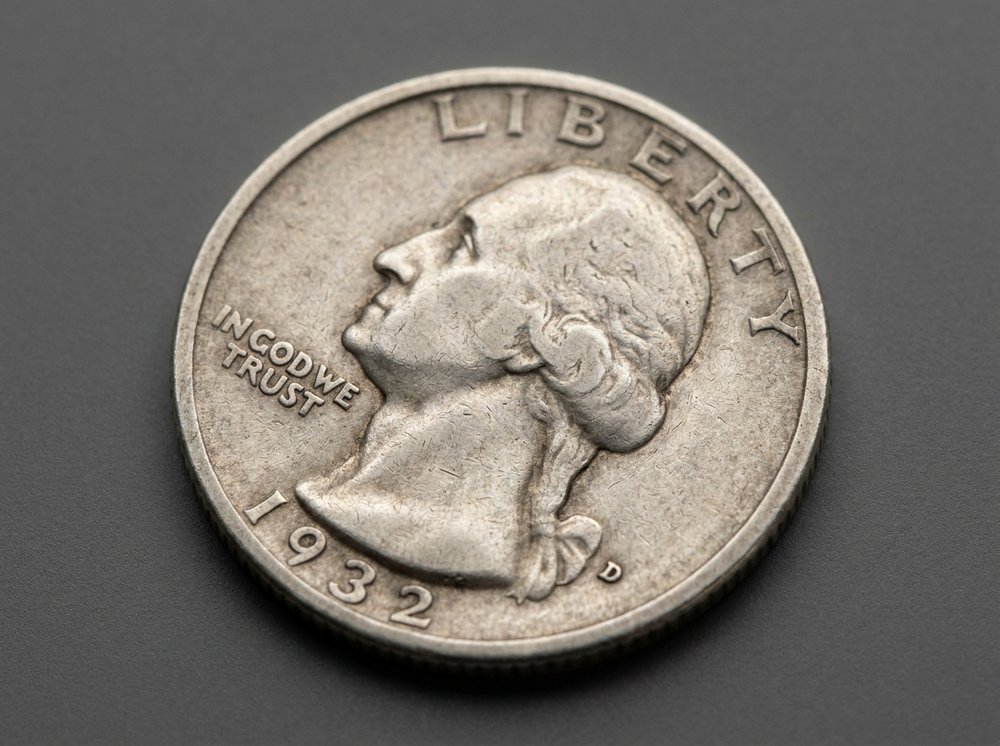
The backbone of this list is scarcity. The 1932-D, with a mintage of just 436,800, and the 1932-S at 408,000 are the two lowest mintages in the entire series and the reason both command five and six figure prices in top grades. Post-war dates like 1949-D and low-mintage proof years add to the key-date roster. For a deeper walkthrough of what drives these numbers, see this complete guide to quarter values.
2. Silver Content Sets a Floor
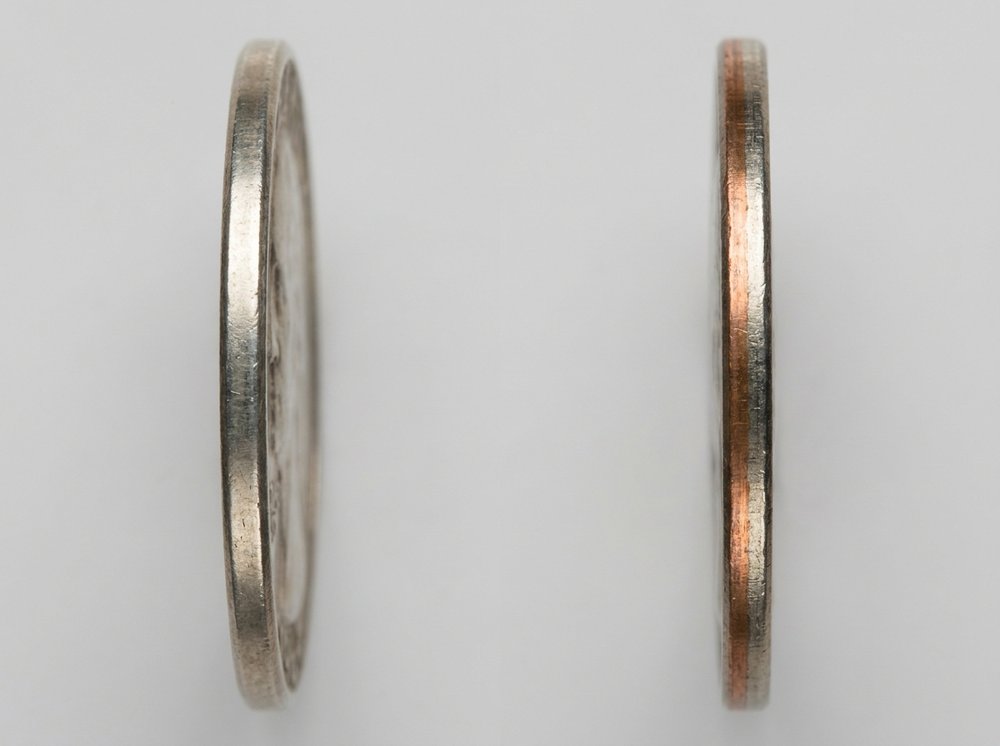
Every quarter dated 1932 through 1964 is struck in 90% silver, weighing 6.25 grams versus 5.67 grams for the copper-nickel clad coins that followed in 1965. That means even a heavily worn common-date silver quarter carries intrinsic melt value well above face value, and it's the reason nobody should spend a pre-1965 quarter without checking it first.
3. Doubled Dies and Overmintmarks
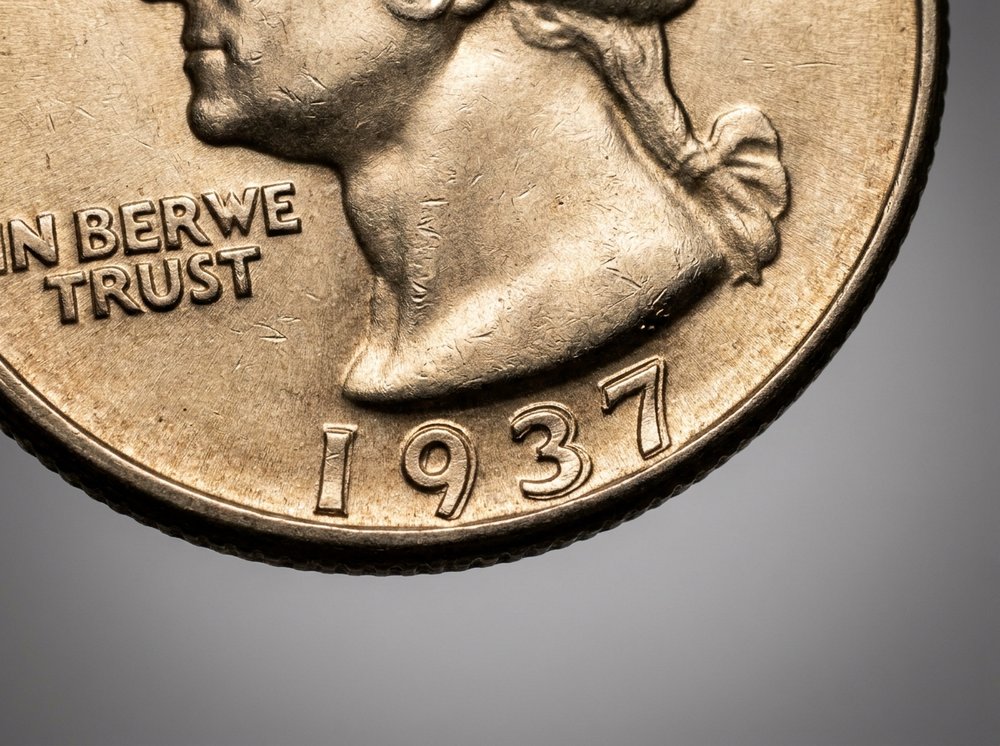
Die varieties are where patient collectors find real money in circulated rolls. The 1937 doubled die obverse shows dramatic doubling on the date and lettering, while the 1944-S DDO FS-101 and 1976-D DDO FS-101 show similar doubling under magnification on Washington's profile and motto. Overmintmark errors like 1950-D/S and 1953-D/S happened when a Denver die was accidentally punched with an S mint mark first, leaving faint traces of both letters.
4. Proofs, Deep Cameo, and Condition
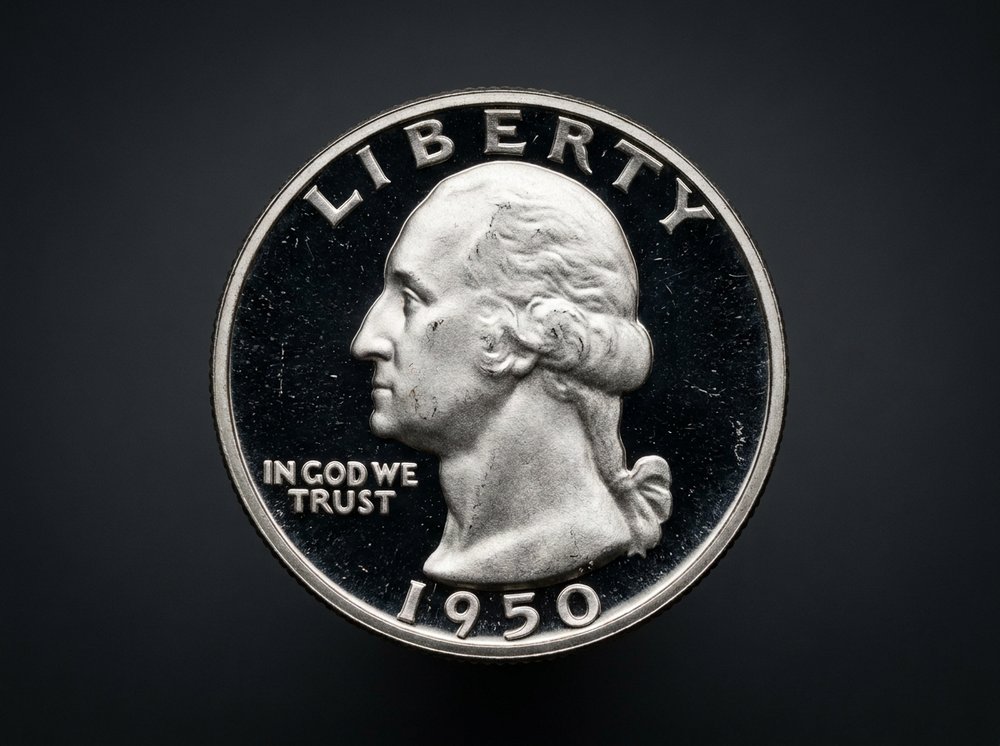
Proof quarters struck for collectors starting in 1936 and resuming in 1950 after a wartime pause show mirror-like fields. When the raised design elements have a frosty, contrasting finish against those mirrors, graders call it Deep Cameo (DCAM), and those examples bring the strongest premiums, sometimes tripling the price of a plain proof of the same date. On business strikes, grade matters enormously too. A common date in true uncirculated condition with full luster can be worth many times a circulated example of the same coin.
Frequently Asked Questions
About This Guide
I've been pulling Washington quarters out of bank-wrapped rolls and estate collections for over twenty years, and I still get a small thrill finding a silver date mixed in with modern clad. This list was built by cross-referencing completed auction results from major houses along with population data that tracks how many examples of each date have actually been certified in each grade.
Prices here reflect real sales, not asking prices or speculation. Values shift with the market and with silver spot prices, so treat this as a snapshot rather than gospel, and always get a genuinely rare coin in hand-checked by a professional grading service before you buy or sell based on a number you read online.
This site is independently maintained and updated periodically as new sale records come in. Page last reviewed and updated August 12, 2026.